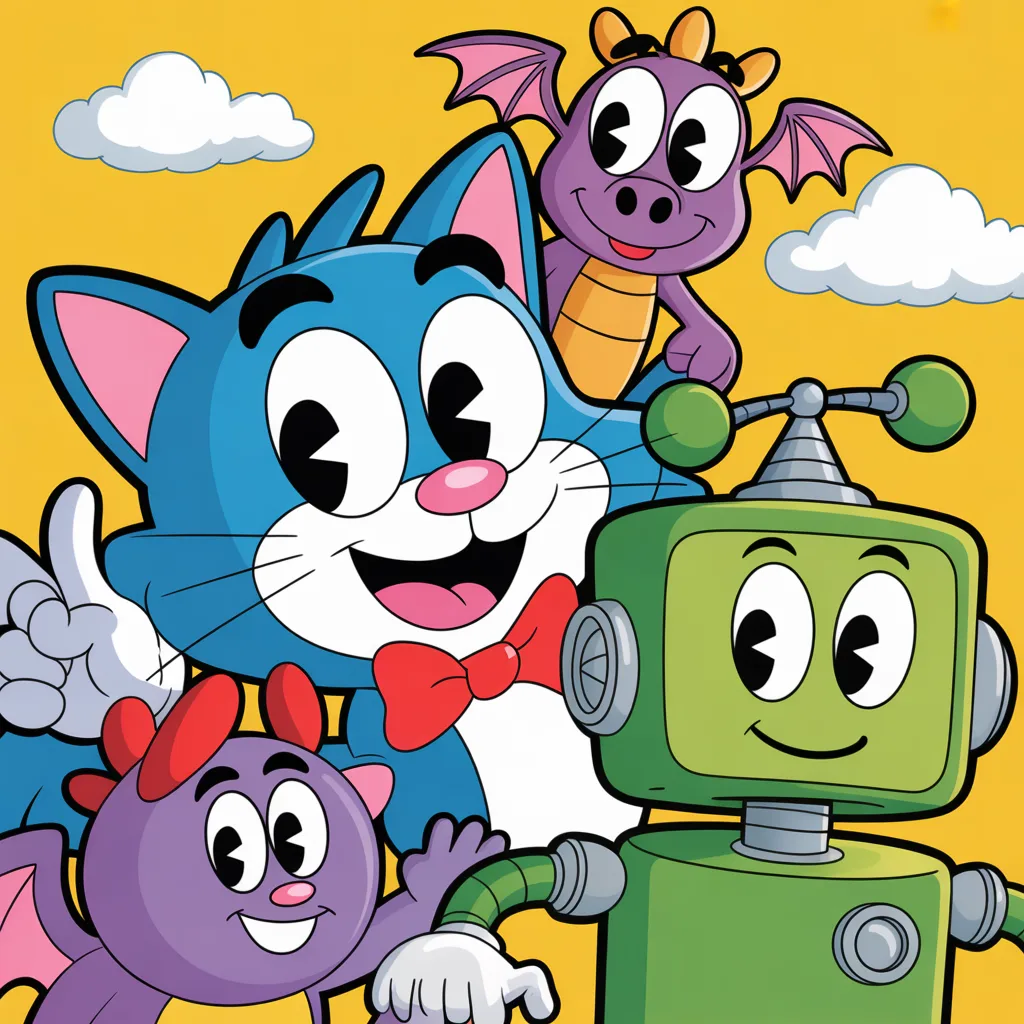
Cartoon Characters: Amazing Joy and Hidden Impact
Introduction
Cartoon characters are a big part of your life, even if you do not notice it every day. You see cartoon characters on TV, in movies, on social media, and even on product packaging. They make you laugh, feel inspired, and sometimes even think deeply. From classic icons to modern digital stars, cartoon characters have shaped entertainment for generations.
In this guide, you will explore how cartoon characters began, how they evolved, and why they still matter today. You will learn about different types, popular examples, and the psychology behind why you connect with them. I will also share a few insights that make these animated figures more than just simple drawings.
By the end, you will see cartoon characters in a whole new way. You might even start noticing their influence in your daily life more than ever before.
The Origin of Cartoon Characters
Early Beginnings
Cartoon characters did not appear overnight. They started as simple drawings in newspapers. Artists used them to tell stories and share humor. These early cartoon characters were basic. They had simple shapes and limited expressions.
Soon, animation technology improved. This allowed cartoon characters to move on screen. Silent films featured some of the first animated figures. These early animations were short but powerful.
Rise of Animation Studios
As time passed, studios began to create more detailed cartoon characters. Companies like Disney and Warner Bros played a huge role. They introduced iconic figures that are still loved today.
These studios focused on storytelling. They gave cartoon characters emotions, voices, and personalities. This made audiences connect more deeply.
Why Cartoon Characters Matter to You
Cartoon characters are not just for fun. They have a real impact on how you think and feel.
Emotional Connection
You often relate to cartoon characters because they show human emotions. They feel happy, sad, scared, and excited. This makes them easy to understand.
Sometimes, a cartoon character can even comfort you during tough times. I have noticed that people often return to their favorite shows when they need a break from stress.
Learning and Growth
Cartoon characters also help you learn. Many shows teach values like honesty, friendship, and courage.
For example, children learn basic problem solving skills through animated stories. Even as a teen or adult, you can still gain insights from well written cartoon characters.
Types of Cartoon Characters
Not all cartoon characters are the same. They come in different styles and roles.
Classic Cartoon Characters
These are the timeless figures you probably already know.
- Mickey Mouse
- Bugs Bunny
- Tom and Jerry
These cartoon characters are simple yet powerful. Their designs are easy to recognize.
Modern Cartoon Characters
Modern animation brings more detail and depth.
- Characters from Pixar films
- Anime heroes and villains
- Streaming platform originals
These cartoon characters often have complex personalities and backstories.
Educational Cartoon Characters
Some cartoon characters focus on teaching.
- Dora the Explorer
- Curious George
- Sesame Street characters
These help younger audiences learn in a fun way.
The Design of Cartoon Characters
Visual Simplicity
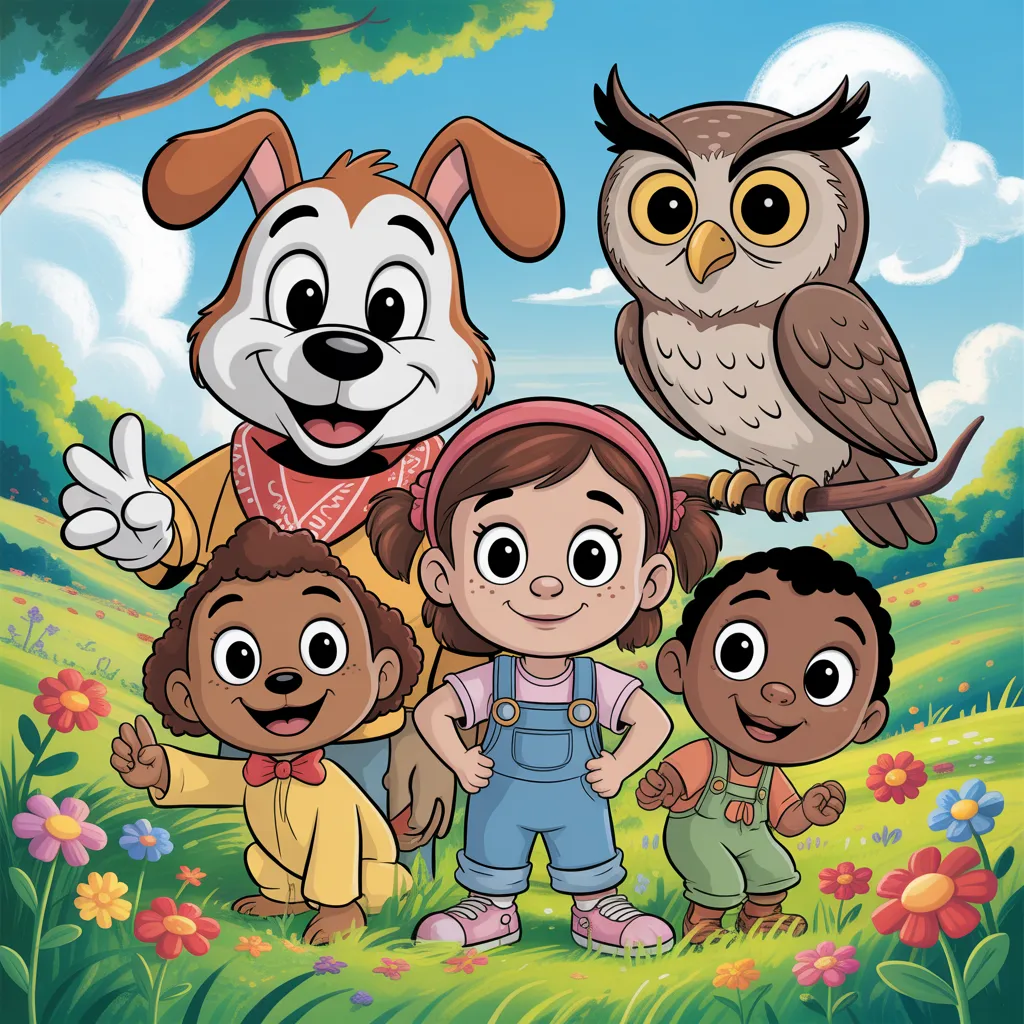
Most cartoon characters are designed with simple shapes. Circles, squares, and triangles are common. This makes them easy to draw and remember.
Color Psychology
Colors play a big role in cartoon characters.
- Bright colors show energy and fun
- Dark tones suggest mystery or danger
- Soft colors create calm feelings
These choices affect how you perceive each character.
Unique Features
Every successful cartoon character has something special. It could be a voice, a catchphrase, or a visual trait. These details make them stand out.
The Psychology Behind Cartoon Characters
Why You Relate to Them
Cartoon characters often reflect real human traits. Even if they are animals or fantasy beings, their emotions feel real.
You may see yourself in a brave hero or a shy side character. This connection keeps you engaged.
Escapism and Comfort
Cartoon characters allow you to escape reality for a while. They take you into worlds where anything is possible.
This escape is not a bad thing. It can actually help you relax and recharge.
How Cartoon Characters Influence Culture
Fashion and Trends
Cartoon characters often inspire clothing and style. You may see shirts, shoes, and accessories based on popular characters.
Language and Humor
Some cartoon characters introduce catchphrases that become popular. These phrases can spread quickly.
Social Media Impact
Today, cartoon characters are everywhere online. Memes, short clips, and fan art keep them relevant.
The Business Side of Cartoon Characters
Merchandising Power
Cartoon characters generate huge income through products.
- Toys
- Clothing
- School supplies
These items make characters part of everyday life.
Branding and Marketing
Companies use cartoon characters to promote products. A friendly face can attract attention quickly.
Creating Your Own Cartoon Characters
If you are interested in creativity, you can try making your own cartoon characters.
Start with a Simple Idea
Think about the personality first. Is your character funny, brave, or curious?
Sketch Basic Shapes
Use simple shapes to build the design. This keeps things clear and flexible.
Add Personality
Give your cartoon characters unique traits. This could be a special ability or a funny habit.
Test and Improve
Show your work to others. Feedback helps you improve your cartoon characters.
Popular Cartoon Characters You Should Know
Here are some well known cartoon characters across different eras.
Classic Icons
- Mickey Mouse
- Donald Duck
- Popeye
Modern Favorites
- SpongeBob SquarePants
- Elsa from Frozen
- Naruto Uzumaki
Global Influence
Cartoon characters are not limited to one region. Anime, for example, has a huge global audience.
Challenges and Criticism
Stereotypes
Some cartoon characters have been criticized for promoting stereotypes. This is something creators are now trying to improve.
Over Commercialization
Sometimes, cartoon characters are used mainly to sell products. This can reduce their storytelling value.
The Future of Cartoon Characters
Advanced Animation
Technology is changing how cartoon characters are created. 3D animation and AI tools are becoming more common.
Interactive Experiences
You may soon interact with cartoon characters in virtual reality. This will make the experience more personal.
Diverse Representation
Modern creators are focusing on diversity. This helps more people feel represented through cartoon characters.
Conclusion
Cartoon characters are more than just entertainment. They influence your emotions, your learning, and even your daily choices. From their simple beginnings to their modern forms, cartoon characters continue to evolve and inspire.
You now have a deeper understanding of how cartoon characters are designed, why they matter, and how they impact culture. The next time you watch a show or see a familiar face, take a moment to notice the thought behind it.
Which cartoon characters have influenced you the most? It might be worth thinking about and even sharing with others.
FAQs
1. What are cartoon characters?
Cartoon characters are animated figures used in media like TV shows, movies, and comics. They tell stories and entertain audiences.
2. Why are cartoon characters so popular?
They are easy to relate to and visually appealing. They also evoke emotions and create strong memories.
3. Can cartoon characters teach life lessons?
Yes, many cartoon characters teach values like honesty, teamwork, and courage.
4. How are cartoon characters created?
They are designed using simple shapes, colors, and unique features. Artists and animators bring them to life.
5. Are cartoon characters only for kids?
No, many cartoon characters are created for teens and adults as well.
6. What makes a cartoon character memorable?
A strong personality, unique design, and emotional connection make cartoon characters stand out.
7. How do cartoon characters influence culture?
They affect fashion, language, and trends through media and marketing.
8. Can I create my own cartoon characters?
Yes, you can start with simple ideas and improve your skills over time.
9. What is the future of cartoon characters?
They will become more interactive and diverse with the help of new technology.
10. Why do people feel attached to cartoon characters?
Because they reflect real emotions and experiences in a simple and engaging way.
